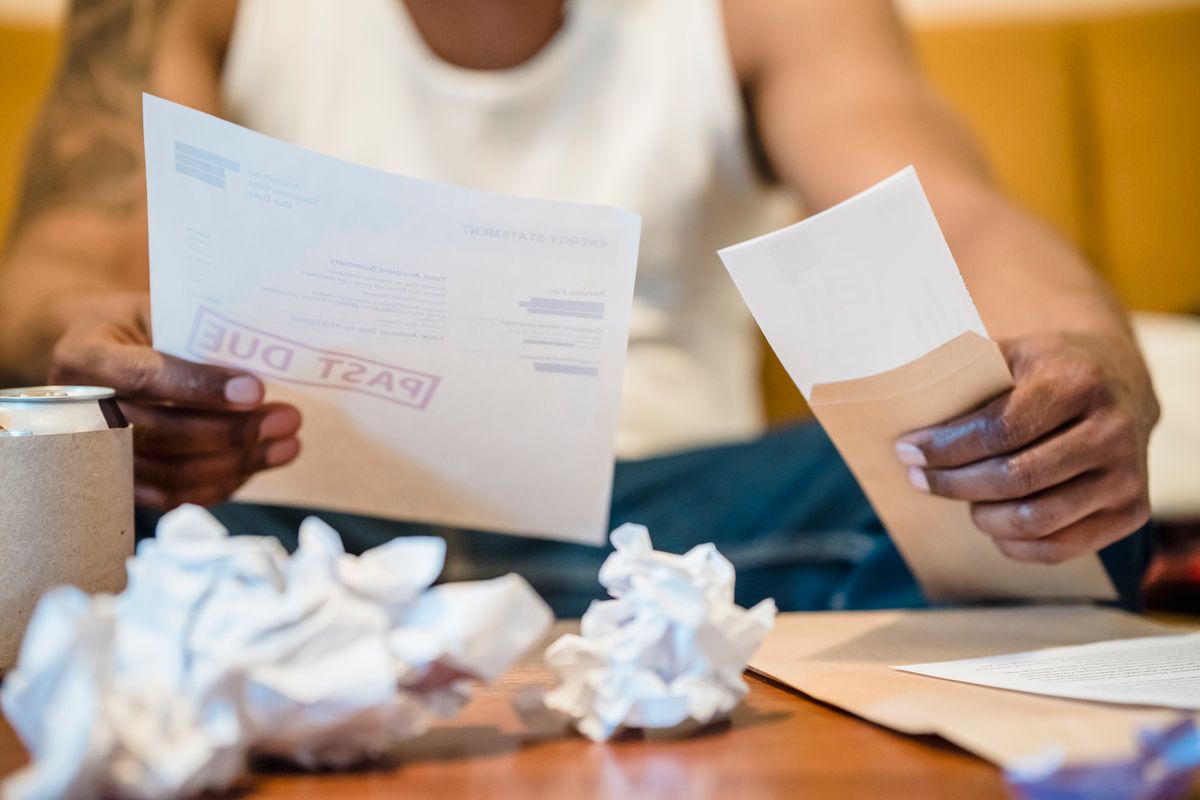
Realising you have been targeted by a romance scammer is one of the most disorienting experiences a person can go through. The feelings are layered: grief for a relationship you believed was real, embarrassment that makes you want to hide what happened, and urgent practical panic about money that may already be gone. If you are reading this because you have just figured out what happened, or because you suspect it, take a slow breath. You are not the first, you will not be the last, and there are clear, practical steps you can take right now that genuinely matter.
The very first thing to do is stop all contact with the person who scammed you and block them everywhere — messaging apps, email, social media, any platform where they reached you. This feels obvious once you know it was a scam, but many victims delay because a part of them hopes they are wrong, or because the scammer has already sensed suspicion and is flooding them with reassurances, new emotional appeals, or even threats. Cutting contact is non-negotiable. Any continued communication gives the scammer more opportunities to extract more money, more personal information, or more emotional leverage.
Contact your bank or financial institution immediately, ideally within the same hour you realise what has happened. Explain clearly that you have been the victim of a romance scam fraud and ask what recovery options exist. If a wire transfer or bank transfer went out recently, there is sometimes a brief window in which a recall can be attempted, though success rates vary and there are no guarantees. If you paid by credit card, a chargeback dispute may be possible. If you used a payment app, gift cards, or cryptocurrency, recovery is significantly harder, but you should still report it to the platform involved and ask about their fraud processes. Document every transaction: dates, amounts, account details you sent money to, and screenshots of any instructions the scammer gave you about how to pay.
Report the fraud to your national financial crimes authority or consumer protection agency. In the United States, that means the Federal Trade Commission and the FBI's Internet Crime Complaint Center. In the United Kingdom, report to Action Fraud. In Australia, contact the Australian Competition and Consumer Commission's Scamwatch. In Canada, the Canadian Anti-Fraud Centre handles these reports. These bodies collect data that helps law enforcement identify networks and, in some cases, pursue prosecutions. Your report may feel like a small piece in a large puzzle, but it genuinely contributes to patterns investigators use. If you transferred money internationally, note that cross-border fraud cases can involve multiple agencies, which is worth understanding as you manage expectations about timelines. This is general information — verify current reporting procedures directly with official sources in your country.
If you shared identity documents, banking credentials, your home address, your workplace, or other sensitive personal information with this person — and many victims do, because the relationship felt genuine — you need to act on that separately. Contact your bank about flagging your account for unusual activity. Consider placing a fraud alert or credit freeze with the major credit bureaus in your country, which can limit a scammer's ability to open accounts in your name. If you shared passport or government ID details, your national identity protection service or passport office may be able to advise on next steps. Again, verify current procedures with official sources, as these processes differ by country and change over time.
Gather and preserve all evidence before you do anything else that might accidentally delete it. Take screenshots of every conversation, every profile photo, every payment request, and every piece of identifying information the scammer shared with you — even if those details are almost certainly fake. Save them somewhere secure, not just on the device you used to communicate with the scammer. This evidence is what investigators, your bank's fraud team, and potentially a lawyer will need. Many people feel a strong instinct to delete everything because it is painful to look at. Resist that instinct for now; you can process those feelings later with proper support.
The financial loss in romance scams can range from a few hundred dollars to life savings, and the psychological aftermath is serious regardless of the amount. Research consistently shows that romance scam victims experience grief, shame, and self-blame at levels comparable to other major trauma. This is not weakness. You were manipulated by someone who, in many cases, operates as part of a professional criminal organisation that has studied human emotional vulnerability deliberately and systematically. Please reach out to someone you trust, whether that is a friend, a family member, or a mental health professional. If you are not ready to tell someone you know, many countries have dedicated fraud victim support lines staffed by people who understand exactly what you are going through and will not judge you.
One thing that helps enormously in the medium term is understanding how these scams actually work, not to torture yourself with hindsight, but because knowledge genuinely reduces the shame. Romance scammers often spend weeks or months building trust before any financial request appears. They mirror your values, match your life stage, move conversations off public platforms quickly, claim circumstances that explain why they cannot meet in person, and create crises designed to make a financial transfer feel urgent and emotionally necessary. The fact that it worked does not mean you were naive. It means you were human, and the scammer was practised.
If the scam originated on a dating platform, report the profile to that platform's trust and safety team with all the evidence you have collected. Reputable platforms take these reports seriously and use them to improve detection. On SafeDate AI, profiles go through government ID verification, live video checks, and selfie matching — and verified profiles that are later confirmed as fraudulent are eligible for a refund — but no system eliminates risk entirely, which is why knowing how to respond when something goes wrong matters as much as prevention.
Consider whether you need legal advice, particularly if very large sums were involved or if you believe you can identify real individuals or accounts connected to the scam. Some attorneys specialise in financial fraud recovery and may be able to advise on civil options, though success in recovering funds through legal channels is difficult and depends heavily on where the money went. This is general information only — consult a qualified legal professional in your jurisdiction before making any decisions. Immigration-related romance scams, where someone convinced you to sponsor a visa or send money under the pretence of travel to meet you, may also have specific legal dimensions worth discussing with an immigration lawyer.
Finally, when you are ready, consider sharing your experience — anonymously if you prefer — through a consumer protection reporting channel or a community support group for fraud survivors. Scammers count on silence. Victims often say they stayed quiet because they were embarrassed, and that the most unexpected relief came from discovering how many other thoughtful, careful people had been through exactly the same thing. Your experience, shared in whatever way feels right for you, is part of how the broader community gets better at recognising these situations before money changes hands. Recovery is possible. The financial loss may or may not be recoverable, but your sense of judgement, your trust in yourself, and your ability to connect with people genuinely — all of that comes back.