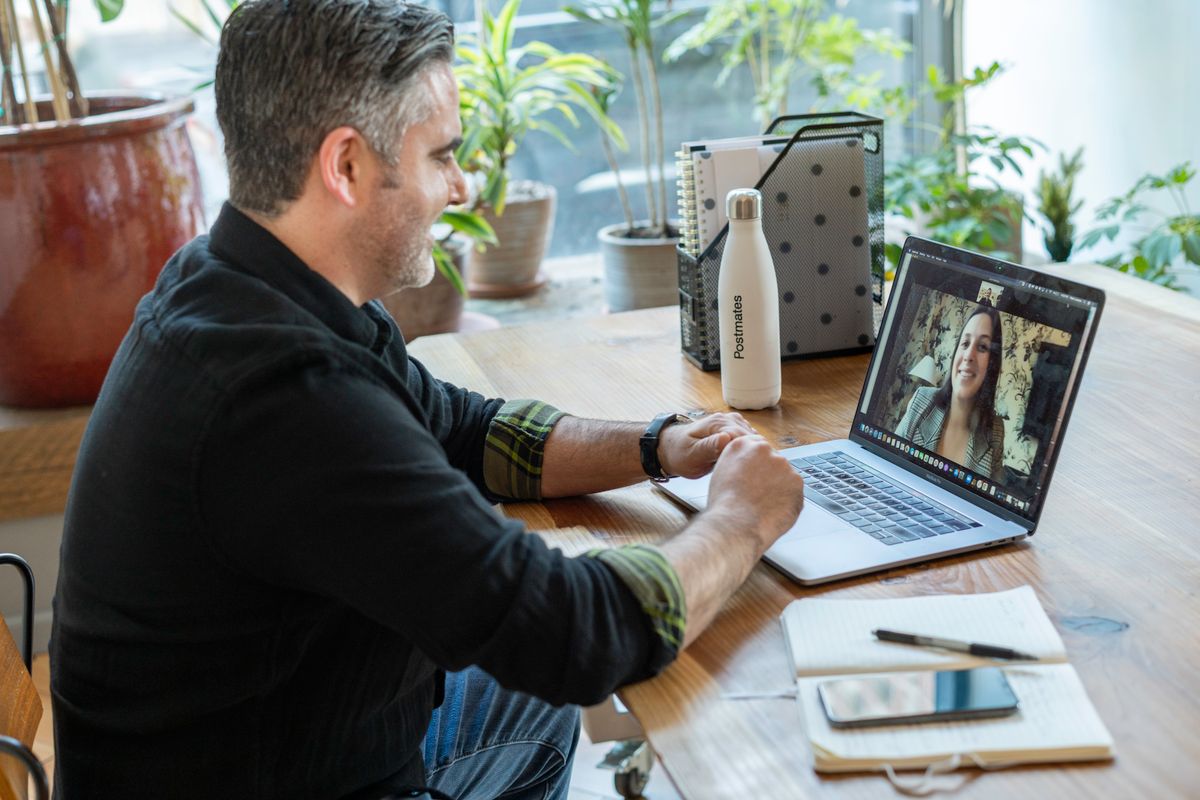
Text is easy to fake. Photos are easy to steal. A live video call is one of the few low-cost tools that quickly tells you whether the person you are talking to is real and matches their profile. Treat an early video call not as a romantic milestone but as a basic safety step, the same way you would check a seller's reviews before sending money.
Ask for a live call within the first week or two of regular conversation. You do not need to make it dramatic. A simple 'I would love to actually see you, can we do a quick video call this weekend?' is enough. Someone genuinely interested in you will welcome it. Notice how the request is received: enthusiasm or a calm yes is a good sign, while repeated dodging is information you should not ignore.
Pay attention to the pattern of excuses. A broken camera once is ordinary life. A broken camera that is always broken, a job that supposedly bans video, internet that only fails at call time, or a phone that can text endlessly but never connect to video, those are not coincidences when they stack up. People who are hiding their identity tend to produce a steady supply of plausible reasons.
During the call, look for normal, boring signs of reality. Does the face match the photos, including age and small details? Can they turn the camera to show the room or wave a hand on request? Does the lighting let you actually see them, or is it always so dark or backlit that the face is a silhouette? Constant heavy filters, a frozen or looping image, or audio that never quite syncs with the lips can indicate manipulated or pre-recorded video.
Ask to move the call in small, spontaneous ways. Suggest they show you the view out a window, or ask a question that needs a real-time answer rather than a prepared line. Scammers running scripts or using deepfake tools struggle with the unexpected. You are not interrogating anyone; you are just having a natural conversation that would be trivial for a real person and hard for a fake one.
Choosing where you meet people changes how much of this you have to police yourself. On SafeDate AI, profiles go through identity verification and chat is moderated, which filters out a large share of fake accounts before you ever reach the call. That does not replace your own judgment, but it means a video call is more often a confirmation of something real than a first line of defense.
Keep firm boundaries about what a video call is for. It is to confirm identity and build comfort, not to hand over sensitive information. Never read out a two-factor authentication code, never show your bank cards, passport, or documents on camera, and never let yourself be talked into anything financial because the conversation feels intimate. Real partners do not need your security codes, and intimacy is never a reason to lower those defenses.
Be cautious about being recorded. Assume anything you say or show on a video call could be saved. Avoid undressing or doing anything on camera that could be used to pressure you later, especially early on with someone you have not met. Sextortion schemes rely on capturing a moment and then threatening to share it.
If the call confirms the person is real and consistent, that is a meaningful green light, though only one of several before you travel or commit money. If the call keeps not happening, or what you see does not match what you were told, slow down. The cost of one awkward video request is tiny next to the cost of trusting an identity you never actually verified.