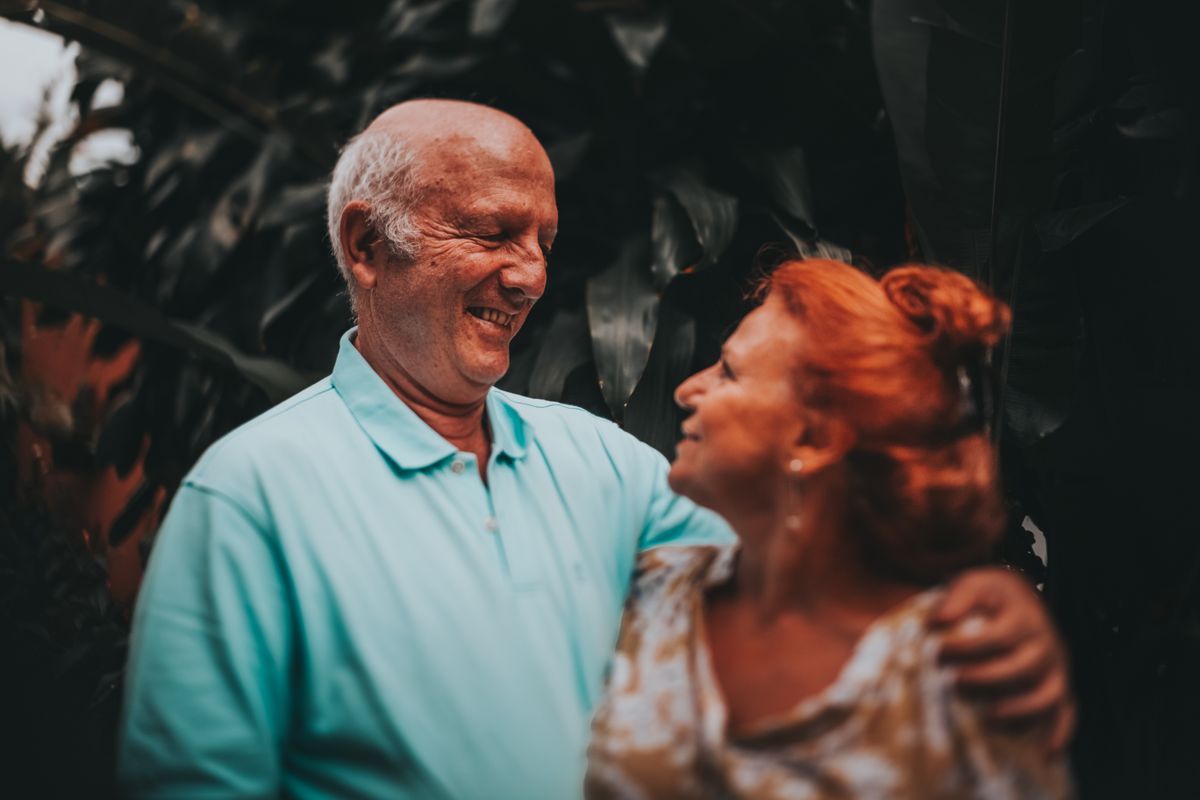
There is a particular kind of courage involved in looking for love after fifty. You have already lived enough life to know what you want, what you can tolerate, and what you absolutely cannot. You have probably been hurt, and you have probably recovered. That combination of clarity and resilience is not a disadvantage in international dating — it is quietly one of the best things you can bring to it.
The first practical step is deciding, honestly, why you are looking internationally rather than locally. Some people live in small towns where the dating pool genuinely is limited. Others feel a cultural or linguistic pull toward a specific part of the world. Still others have simply met someone online who happens to live far away. All of these are legitimate starting points, but knowing your own reason matters because it shapes where you should invest your time and what kind of relationship is realistically possible for you. Someone who cannot relocate and whose prospective partner also cannot relocate needs to think carefully before investing months of emotional energy in a connection.
Age brings a clearer sense of your own non-negotiables, and in international dating those become especially important to name early. Shared values around family, money, religion, and how daily life is organised are more predictable predictors of long-term happiness than shared hobbies. When you are also navigating a language gap or a cultural gap, surface-level compatibility can feel stronger than it is because novelty is exciting. Give yourself the time — usually several months of regular video conversation — to test whether the deeper values actually align.
Communication technology has made international relationships more sustainable than ever, but it also makes it easier to maintain an illusion. Video calls are better than text because you can read body language, catch inconsistencies, and simply experience another person in something closer to real time. If someone you are corresponding with consistently avoids video calls, invents reasons not to appear on camera, or only ever sends photographs, treat that as a serious warning sign regardless of how warm their written messages are. This is true at any age, but people over fifty are specifically targeted by romance scammers who assume that older adults are lonelier, less technically confident, and more likely to have savings. Stay alert.
Profile verification has become genuinely meaningful on platforms that take it seriously. SafeDate AI, for instance, uses government-ID checks, live video verification, and selfie matching so that the person you are messaging is provably real. Knowing that basic fact — that you are talking to an actual human being who is who they say they are — removes one layer of uncertainty and lets you focus on the more interesting and more difficult question of whether this particular real person is right for you. It does not, however, verify intentions, character, or the accuracy of anything someone tells you about their life. Verification is a floor, not a ceiling.
Money conversations feel awkward at any age, but they are genuinely necessary in international relationships and should happen before anyone boards a plane. You do not need to exchange bank statements, but you do need to have a clear-eyed conversation about financial expectations. This includes who pays for visits, how future living arrangements might work, and whether either of you would eventually need to support the other. These topics are not unromantic — they are the conversations that healthy long-term partnerships have. If someone reacts badly to financial transparency early on, that tells you something important.
Travel to meet in person is a milestone that should feel exciting and manageable, not rushed or financially strained. A sensible approach is to meet first in a public, neutral location in the country you are visiting, tell someone at home exactly where you are going and who you are meeting, and keep your first in-person visit relatively short — five to ten days is enough to learn an enormous amount without making irreversible commitments. Some people find it helpful to book accommodation independently for the first visit rather than staying with a new partner, simply because having your own space gives you room to process what you are experiencing without constant performance.
Health is a topic that older daters sometimes avoid because it feels vulnerable, but it is far more important to address it early than to discover significant issues after you have made major life changes. This includes physical health, mental health history, any medications with meaningful side effects, and mobility considerations if relevant. It also includes your expectations around each other's health as you age further. These are not dealbreakers by definition — many people happily partner with someone who has chronic illness or disability — but they are facts that deserve honesty rather than omission.
Immigration and visa rules are complex, change frequently, and vary enormously by country. If your relationship progresses to the point where you are considering living together in one country or the other, consult an immigration lawyer who specialises in the countries involved rather than relying on online forums or the anecdotal experience of friends. The same applies to questions about property rights, inheritance, and pension entitlements for international couples. This is general information — the specifics of your situation will depend on your nationalities, ages, and the countries involved, and only a qualified professional or official government source can give you reliable guidance.
Something that is easy to overlook is the social dimension of late-life international relationships. Your adult children may have opinions. Friends may express concern, sometimes helpfully and sometimes not. The person you are dating will have their own family and social network with their own expectations. None of this should be decisive — you are an adult making your own choices — but pretending that these social worlds do not exist is not a strategy. Talking openly with your partner about how you will each manage family relationships, and giving family members time to adjust to the idea, tends to produce better outcomes than either hiding the relationship or demanding immediate acceptance.
The most honest thing to say about senior international dating is that it requires patience of a specific kind — not passive waiting, but active, clear-eyed patience with the process. Relationships that begin across distance and difference generally take longer to reach stability than those that begin locally, because there are more logistical obstacles to simply spending time together. That slower pace can actually be an advantage. You have more time to talk, to observe inconsistencies, to ask the questions you might skip if you were caught up in the immediate physical presence of someone new. People over fifty who find lasting international partnerships often describe the extended early period of conversation as the foundation that made everything else possible. It turns out that knowing how to talk to someone, really talk, is one of the most durable skills a relationship can have.