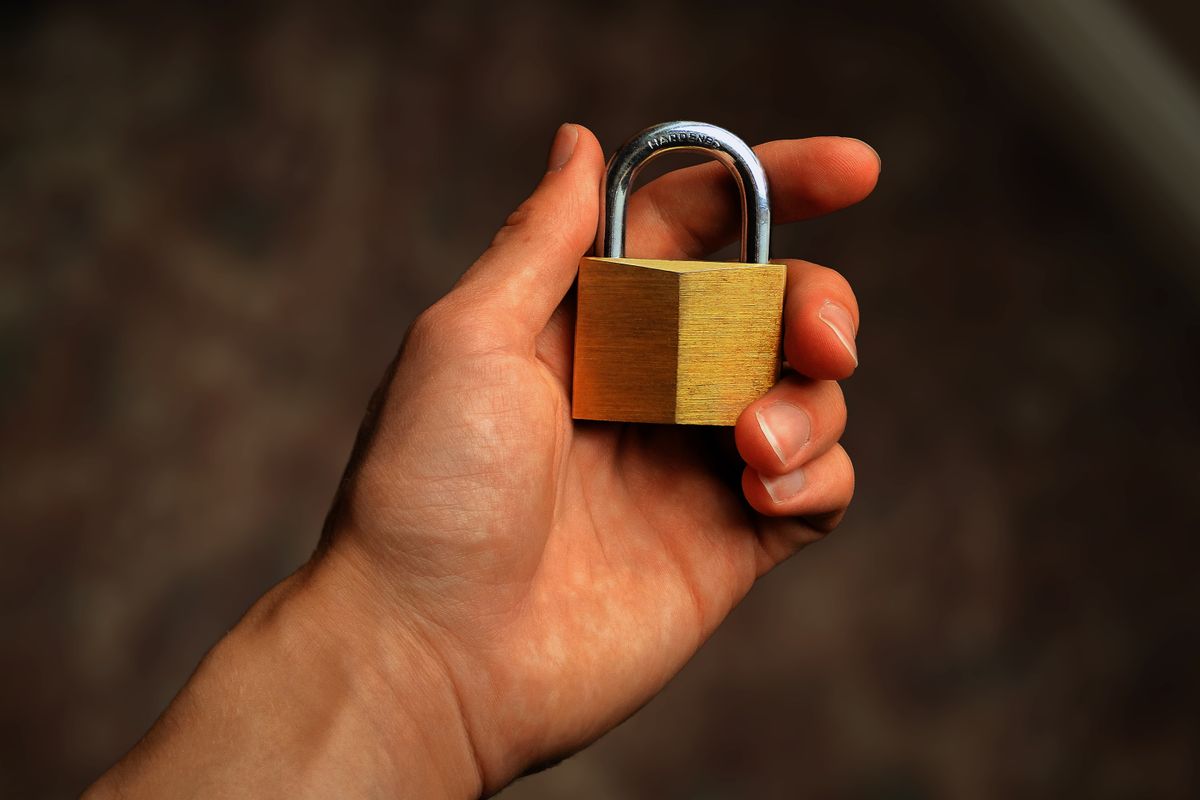
Online dating has opened up a world of possibility, connecting people across cities, countries, and cultures in ways that would have seemed remarkable just a generation ago. But alongside those possibilities comes a responsibility that falls on every user: protecting your own privacy. The good news is that you do not have to choose between staying safe and being genuinely open to meeting someone. With a little thought up front, you can share enough of yourself to attract the right person while keeping the details that could harm you firmly out of reach.
Start with your username. It sounds trivial, but your handle is the first piece of data a stranger sees, and it travels everywhere — screenshots, shared conversations, third-party sites. Avoid using your real name, your birth year, or anything that doubles as a password hint, such as the name of your hometown or your favourite sports team. A creative, neutral username that says something about your personality without revealing your identity is the ideal starting point.
Your profile photos deserve the same care. Before uploading any image, check whether it contains embedded location data. Most modern smartphones strip GPS coordinates from photos automatically, but it is worth confirming this in your phone's camera settings. More importantly, think about what appears in the background of your pictures. Street signs, recognisable landmarks near your home, your car's number plate, or the name of your local gym can all be pieced together by someone determined to find out where you live. Take photos in neutral or indoor settings when in doubt, and save the scenic neighbourhood shots for after you have built real trust.
Keep your primary email address private for as long as possible. Many people create a dedicated address solely for dating apps — a simple, name-free address on a free provider works perfectly. This does two things: it stops a curious stranger from Googling your main email and landing on your LinkedIn profile, old forum posts, or workplace directory, and it gives you a clean break if a conversation goes wrong. You can simply abandon the address with no damage to the rest of your digital life.
Phone numbers are another piece of information worth guarding in the early stages. Sharing your number feels like a natural next step when a conversation is going well, but it opens doors you may not want opened yet — reverse phone lookups can reveal your name and general address, and it gives someone a direct line to you outside the platform's reporting and blocking tools. Consider using a secondary number through a voice-over-IP app for a while. These are widely available, cost little or nothing, and can be deleted the moment they feel unnecessary. Once you are genuinely confident about someone, switching to your real number is a simple, meaningful gesture.
Social media is where privacy tends to unravel fastest. Resist the urge to look up a match on Instagram or Facebook before you have met in person, and resist equally the urge to share your own handles early on. Your social profiles are rich with information: where you work, where you went to school, your family members' names, the neighbourhood where you run every morning. A person who has your social media before they have earned your trust has a detailed map of your life. If someone asks for your social handles very early in a conversation, it is reasonable to say you prefer to keep that separate for now — a person with good intentions will understand.
When it comes to planning a first meeting, the classic advice holds because it works. Meet in a well-populated public place, tell a trusted friend or family member where you are going and who you are meeting, and arrange your own transportation both ways. Share a screenshot of the profile with someone you trust before you go. Let your date know, casually and without apology, that a friend knows where you are — anyone worth spending time with will find this sensible rather than offensive. Avoid sharing your home address, the name of your street, or the cross-streets near your building until you have spent meaningful time together in person.
Platforms that invest in identity verification are worth seeking out for exactly this reason. When a site confirms that a profile photo matches a live video check, and that the person behind the account has provided verifiable identification, the baseline risk of the conversation changes. SafeDate AI was built around this principle — verified profiles, AI-assisted translation to reduce misunderstanding across languages, and a policy of refunding matches that turn out to be fraudulent. None of that replaces your own judgment, but it does mean you are starting from a more secure foundation than an unmoderated app can offer.
Trust your instincts about the pace of a conversation. Someone who pushes hard for personal information quickly — your workplace, your home neighbourhood, your financial situation — before any real rapport has been built is showing you something important. The same is true of someone who moves very fast emotionally, declaring deep feelings within days and then finding reasons to ask for money, gift cards, or cryptocurrency. These are well-documented patterns of manipulation and fraud, and no amount of loneliness or excitement should override a gut feeling that something is off. If a conversation ever makes you uncomfortable, use the reporting tools on the platform and step back. Your comfort is not negotiable.
It is also worth doing a periodic audit of what you have shared publicly online. Search your own name and see what appears. Check your social media privacy settings, which change more often than most people realise following platform updates. Look at whether your employer's website lists your photo alongside your full name and job title — that combination, paired with a dating profile, is more than enough for someone with bad intentions to build a picture of your life. Adjusting these settings takes an hour at most and can make a meaningful difference.
Privacy in dating is not about distrust or pessimism. It is about giving yourself the freedom to be curious, open, and even a little vulnerable, knowing that you have protected the parts of your life that matter most. The people worth meeting will respect those boundaries without needing them explained at length. And as trust grows naturally over shared conversations, real meetings, and genuine connection, the boundaries you set early will feel less like walls and more like the careful foundations of something real.