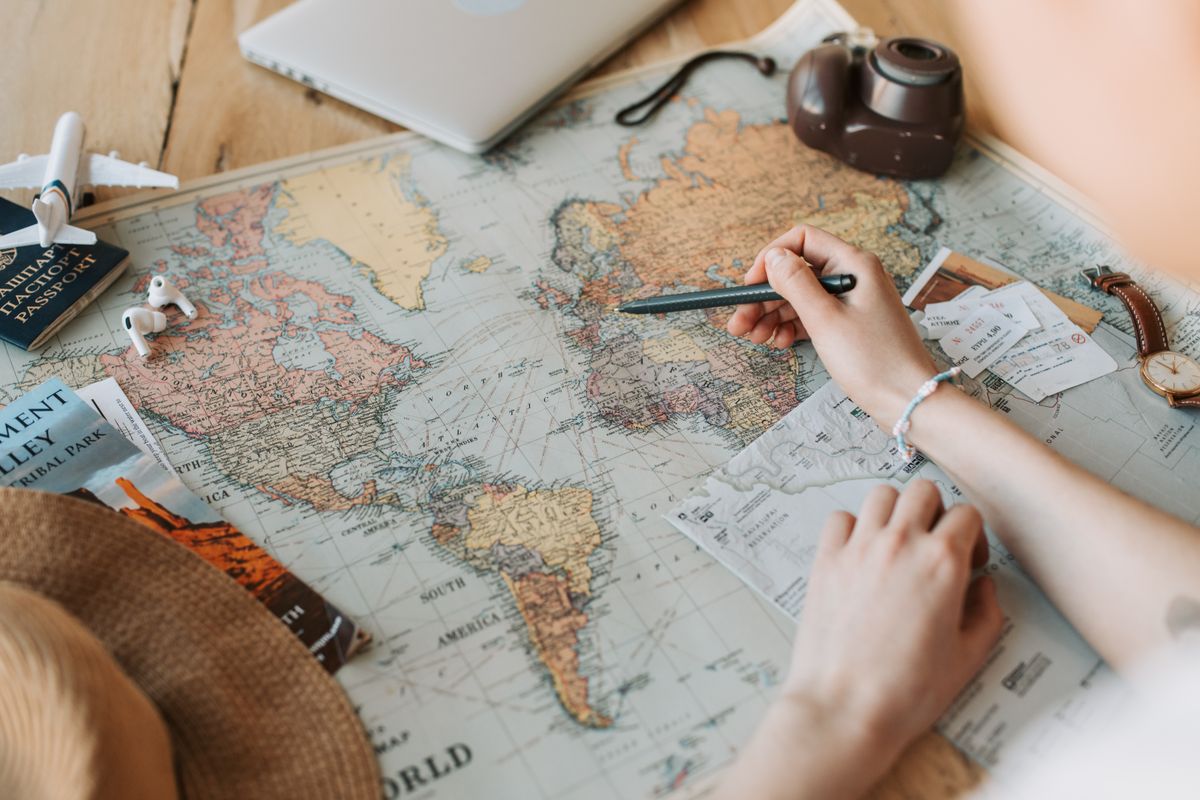
The moment you decide to book that flight is equal parts thrilling and terrifying. You have spent weeks or months building something real with someone who lives on the other side of a border, and now the conversation is moving off the screen and into the physical world. That shift deserves careful preparation — not to dampen the excitement, but to protect it. A little groundwork before you travel means you can spend your time actually being present with your partner rather than scrambling to fix avoidable problems.
Start with the paperwork well in advance. Visa requirements vary enormously depending on your nationality and your destination, and processing times can stretch from a few days to several months. Check the official embassy or consulate website for the country you plan to visit, confirm exactly which documents you need, and apply earlier than you think necessary. If you are visiting a country that requires proof of onward travel, confirmed accommodation, or a financial statement, gather those documents before you apply. This is general information — always verify current requirements directly with the relevant consulate or a licensed immigration adviser, since rules change.
Travel insurance is non-negotiable for a trip like this. Look for a policy that covers medical evacuation, trip cancellation, and ideally some form of personal liability. Healthcare costs in an unfamiliar country can be staggering without coverage, and a cancelled flight on either end of the journey can derail plans that matter emotionally as well as financially. Read the fine print: some policies exclude pre-existing conditions or limit coverage in certain regions.
Tell someone you trust about your trip. Share your itinerary — flights, accommodation address, your partner's full name, and a contact number — with a friend or family member at home. Check in with them at agreed intervals. This is not about distrust; it is simply sensible travel practice for any solo international trip. If anything unexpected happens, someone at home knows where you are and who you are with.
Plan your first meeting in a public place, even if you have been video-calling for months and feel completely comfortable with your partner. A café, a busy square, or the arrivals hall of an airport all work well. Meeting in public for the first time removes pressure from both of you: there is natural activity around you, conversation flows more easily when you are doing something together, and it gives both parties a moment to adjust to the reality of each other's physical presence. Moving from digital to in-person is a genuine transition, and it can feel surprisingly different even when everything is going well.
Budget honestly and completely. Beyond flights and accommodation, factor in local transport, meals, activities, gifts if that is part of your partner's cultural context, and a reasonable emergency buffer. Research whether your bank card works at ATMs in that country and what the foreign transaction fees are. Carry a small amount of local currency for your first day, because ATMs are not always easy to find immediately after landing. Inform your bank of your travel dates so your card is not blocked as a fraud precaution when you use it abroad.
Learn some basics of your partner's language, even if you both communicate in English or through AI translation tools. Knowing how to say hello, thank you, excuse me, and I don't understand in the local language signals genuine respect for your partner's culture and tends to delight the people around you. It also makes practical moments — ordering food, asking for directions, navigating public transport — less stressful. Your partner will likely be moved that you tried.
Talk openly with your partner before you arrive about the shape of the visit. How many days will you stay? Will you meet their family, and if so, when? Are there cultural or religious customs around meals, dress, or physical affection in public that you should know about? These conversations are not awkward formalities — they are exactly the kind of honest, practical communication that healthy relationships are built on. If your partner has used SafeDate AI's translation features during your courtship, you may already have a comfortable rhythm for navigating language gaps; carry that same patience into your in-person conversations.
Manage your own expectations with care. The first in-person meeting almost never matches the imagined version exactly. There may be nerves, jet lag, a language barrier that feels bigger face-to-face than it did on screen, or simply the ordinary strangeness of being in an unfamiliar place. None of that means the relationship is not real. Give yourself and your partner a day or two to settle into each other's company before drawing any conclusions. Chemistry built over time through genuine conversation does not evaporate — it just needs a little space to recalibrate to the new medium.
Safety remains important throughout the visit, not just at the first meeting. Keep your passport and travel documents in the hotel safe or a secure inner pocket, not in a bag that can be snatched. Know the local emergency number. Be cautious about anyone — not your partner, but strangers — who seems unusually interested in where you are staying or how long you plan to be in the country. Petty tourism-related scams exist in many popular destinations and are easy to avoid once you are aware of them. The foreign affairs or state department website of your home country usually publishes practical safety advice for each destination.
Finally, treat this trip as a chapter, not a conclusion. One visit — however wonderful — rarely resolves every question about a long-distance relationship. Use the time to deepen what you have already built, to meet the people and places that make your partner who they are, and to have honest conversations about what comes next. If the trip goes well, you will leave with a much clearer sense of whether and how you want to close the distance permanently. If it surfaces complications, those are better discovered now than later. Either way, you will return home knowing something true, and that is always worth the journey.