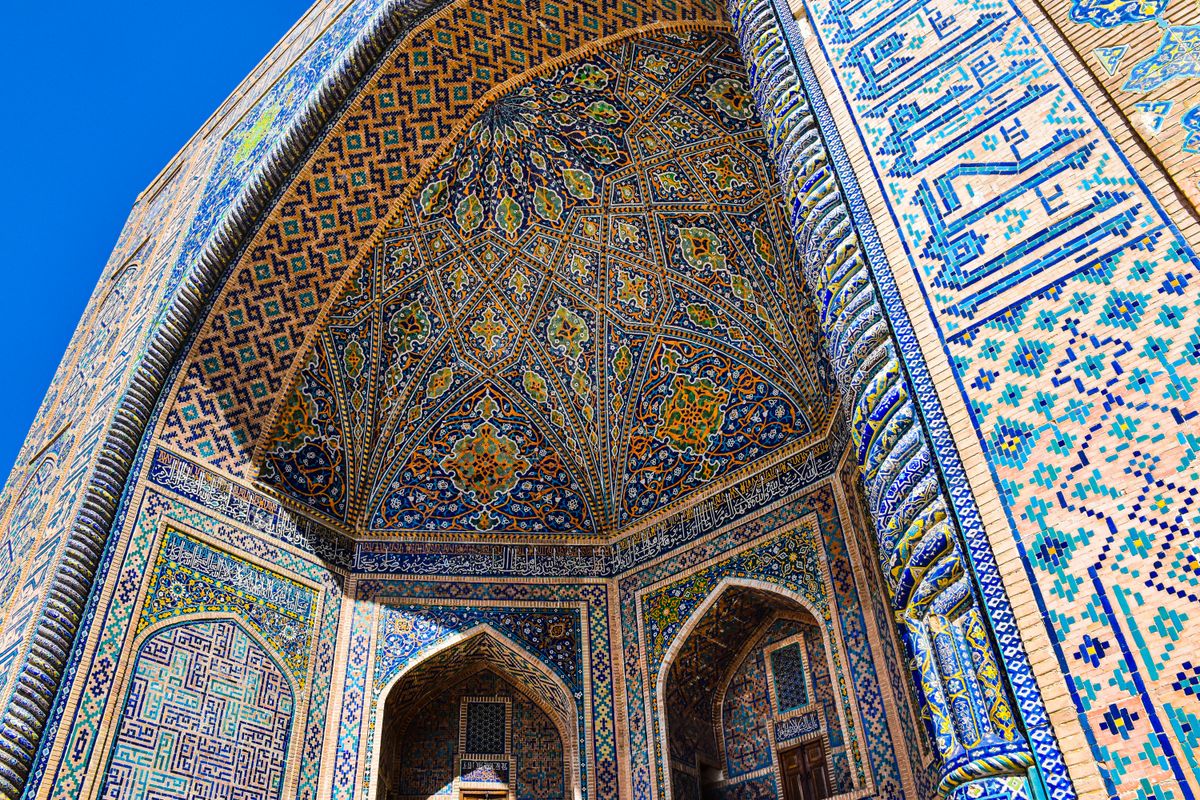
Uzbekistan sits at the crossroads of the ancient Silk Road, and its culture reflects centuries of Persian, Turkic, and Russian influence layered over a deeply Islamic foundation. For anyone hoping to build a genuine relationship with an Uzbek woman, that history is not background noise — it is the living context that shapes how she thinks about family, commitment, hospitality, and respect. Approaching her with curiosity about that context, rather than assumptions about it, is the single most important first step you can take.
Family is not just important in Uzbek society — it is central in a way that few Western cultures fully parallel. Most Uzbek women maintain close, often daily, contact with parents, siblings, and extended relatives. Decisions about relationships, living arrangements, and even career moves are frequently discussed with the family as a unit. This is not a sign of dependence; it reflects a collective worldview in which the wellbeing of the individual and the wellbeing of the family are genuinely understood as the same thing. If a woman you are getting to know speaks often about her parents' opinions or wants you to eventually meet her family, read that as a positive signal of seriousness, not a red flag.
Islam shapes daily life for the majority of Uzbek women, though the degree of observance varies enormously from person to person. Some women pray five times a day, observe modest dress codes, and do not drink alcohol. Others may be culturally Muslim — identifying with the faith's values and traditions without strict ritual practice. It is important not to project assumptions either way. The respectful approach is simply to follow her lead, ask open questions if something is unclear, and never pressure her to adopt habits that conflict with her values. Equally, do not fetishize her faith or treat it as an exotic curiosity.
Modesty and restraint in early communication are common, and should not be misread as disinterest. Uzbek women often take time to open up, particularly with someone from a different country and cultural background. Early conversations may feel careful and measured. She may avoid very personal topics until trust is established. Patience here is not just a virtue — it is a signal you send that you are interested in who she actually is, not just the idea of her. Rushing emotional or physical intimacy, or interpreting her caution as playing games, will almost certainly end the connection.
Uzbek is the official language, but Russian is widely spoken, especially in urban areas like Tashkent, Samarkand, and Namangan. Many educated Uzbek women also have some English, though fluency varies. Language barriers are real, and pretending otherwise helps no one. Using a reliable AI translation tool honestly — saying 'I am using translation because I want to understand you properly' — tends to be received far better than stumbling awkwardly or relying on rough auto-translate that produces embarrassing errors. On SafeDate AI, built-in translation is designed precisely for this kind of cross-cultural sincerity, reducing the friction without replacing genuine effort to communicate.
Hospitality is a core cultural value that has its own weight. If you are ever invited to her home or to share a meal — whether virtually or eventually in person — take it seriously. In Uzbek culture, feeding a guest is an act of genuine honor. The traditional dish plov, a slow-cooked rice and lamb preparation, is practically a symbol of respect and celebration. Showing appreciation for the food, the effort, and the invitation matters far more than being a perfect guest. Genuine gratitude lands better than practiced politeness.
Gender roles in Uzbekistan are more traditional than in many Western countries, and it is important to understand that without either romanticizing or dismissing them. Many Uzbek women expect men to take initiative — in planning, in communication, in eventually defining the relationship's direction. At the same time, do not assume passivity. Uzbek women are often highly educated, professionally ambitious, and opinionated within their relationships and communities. The traditional framework does not mean she has no voice; it means the form that voice takes may look different from what you are used to. Listen carefully rather than mapping your assumptions onto her behavior.
One area where cultural wires get crossed frequently is around gift-giving and financial generosity. It is common for men to pay for dates, bring small gifts, and demonstrate generosity as a form of respect. This is cultural norm, not transactional expectation. However, any situation where a woman you have never met — or barely know — is asking for money, emergency funds, or financial transfers should be treated with serious caution. Legitimate connection and financial pressure do not belong in the same sentence. Platforms that verify identities, like SafeDate AI does through government ID checks and live video confirmation, exist specifically to help you distinguish real people from fraudulent profiles before feelings and trust have developed.
If the connection grows and you begin thinking about visiting Uzbekistan or potentially building a future together that involves immigration, be prepared to do real homework. Uzbekistan has its own visa requirements for foreign nationals, and any international marriage or partnership involving residence permits, spousal visas, or citizenship pathways involves legal processes specific to both your country and Uzbekistan. This article provides general cultural information only — immigration law and legal requirements change, and you should verify everything with official government sources or a qualified immigration lawyer before making any decisions.
Long-distance relationships across significant cultural and geographic distance are genuinely hard work, and it is worth being honest with yourself about whether you are prepared for that investment. Regular video calls matter more than long written messages when it comes to building real emotional familiarity. Learning even a few phrases in Uzbek — greetings, expressions of appreciation — signals effort that she will almost certainly notice and remember. Asking about her day, her family, the foods she is eating, the city she lives in: these small acts of sustained curiosity are the actual building blocks of intimacy across distance.
Ultimately, the women you will meet from Uzbekistan are not a category — they are individuals shaped by a rich culture, personal history, family dynamics, and their own ambitions and fears. The cultural context in this guide gives you a foundation of understanding, but the only reliable way to know the person in front of you is to listen to her, take her seriously, and give the relationship the time and honesty it deserves. Respect, patience, and genuine curiosity are not culture-specific virtues. They are the prerequisites for any meaningful human connection, wherever in the world it begins.