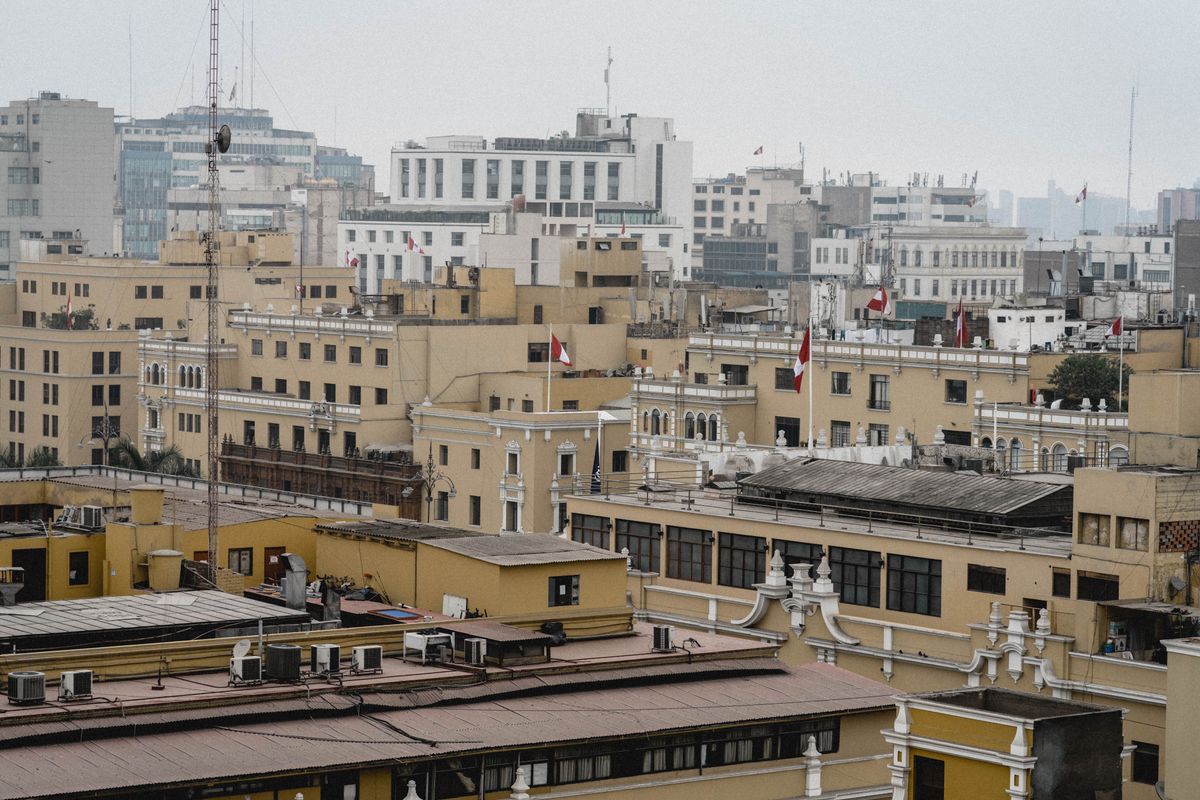
Peru is one of South America's most culturally layered countries, shaped by Andean indigenous traditions, Spanish colonial history, African and Asian immigration waves, and a vibrant coastal modernity centered on Lima. When you meet a Peruvian woman, you are meeting someone who has grown up navigating all of that complexity, often simultaneously. Understanding a little of that background before your first conversation will make you a far more thoughtful and appealing partner.
Family is not a peripheral part of life in Peru — it is the organizing principle. Most Peruvian women, regardless of whether they live in a city or a rural province, maintain close ties with parents, siblings, grandparents, and extended relatives. Sunday lunches, holiday gatherings, and casual drop-ins are the norm rather than the exception. If a relationship becomes serious, you will almost certainly be introduced to her family relatively early, and how you conduct yourself in that setting matters enormously. Showing warmth, respect, and genuine interest in the people she loves will do more for your standing than almost anything else you could do.
Regional differences within Peru are significant and worth keeping in mind. Women raised in Lima tend to be more cosmopolitan, often speak some English, are accustomed to international media and fashion, and may hold more socially progressive views. Women from the highlands — Cusco, Arequipa, Puno — frequently carry stronger Andean cultural values, including a deep relationship with community, spirituality, and tradition. Women from Amazonian cities like Iquitos have their own distinct cultural identity. None of these profiles is a stereotype to be applied universally; they are simply reminders that Peru is not monolithic, and curiosity about where someone is from and what that place means to her is always a good conversation to invite.
Communication style in Peru tends to be warm and indirect. Peruvians generally prefer to preserve harmony in social interactions, which means a woman may signal discomfort or disagreement through subtle cues rather than direct confrontation. This is not dishonesty — it is a culturally rooted form of courtesy. As a foreigner, you may occasionally misread silence or a polite deflection as agreement when it is not. The best approach is to create a relaxed, low-pressure atmosphere where she feels safe being honest, and to ask open questions rather than yes-or-no ones. Over time, as trust builds, communication becomes more direct.
Physical affection and emotional expressiveness are generally appreciated in Peruvian dating culture, but they follow a particular rhythm. Public displays of affection are common and accepted in urban areas — holding hands, a kiss in a park, sitting close at a café. However, rushing emotional intimacy or being overly intense too early can feel overwhelming. Peruvian women often value the courtship phase, the slow process of getting to know someone, the small gestures of attention and care. Bringing a small gift, remembering something she mentioned weeks earlier, or suggesting a plan that reflects her specific interests signals that you are genuinely paying attention.
Romance and chivalry are not outdated concepts in Peru. Many Peruvian women appreciate traditional gestures — offering to pay on a first date, walking on the street side of the sidewalk, holding a door — not because they are dependent, but because these acts are read as signs of respect and intentionality. At the same time, educated and professionally ambitious Peruvian women are increasingly common, especially in Lima, and they will expect to be treated as intellectual equals. The sweet spot is warmth and attentiveness without being patronizing. Ask about her work, her ambitions, her opinions — and actually listen.
Religion plays a background role in many Peruvian households. Peru is predominantly Roman Catholic, and while the degree of practice varies widely from deeply devout to nominally cultural, religious holidays, baptisms, first communions, and similar events carry real social weight. You do not need to share her beliefs to be respectful of them. Showing up graciously at a family Mass or a saint's day celebration, without making a show of skepticism, will be noticed and appreciated. If faith is important to her, expect it to shape her views on relationships, commitment, and family.
If you are meeting Peruvian women through an international platform, it is worth knowing that scams targeting people who seek cross-border connections are a real concern on less careful sites. Platforms like SafeDate AI use government ID verification and live video checks precisely to reduce that risk, so that both parties can invest emotionally in a conversation without worrying about whether the other person is who they claim to be. Verified profiles are not a guarantee of romantic compatibility, but they are a meaningful foundation of basic honesty.
Language can be a genuine challenge or a genuine bridge, depending on how you approach it. Spanish is Peru's official national language, and Quechua and Aymara are also spoken by significant portions of the population. If you are not a Spanish speaker, making even a modest effort — learning a few phrases, asking her to teach you words she uses with her family — signals humility and genuine interest. Many Peruvian women are patient and even charmed by earnest language learners. AI-assisted translation tools have improved dramatically and can help bridge early conversations, but they work best as a supplement to genuine effort rather than a substitute for it.
If a relationship becomes serious and you begin thinking about long-term plans that cross international borders — whether she might visit you, you might live in Peru, or one of you might eventually immigrate — the legal landscape becomes important to navigate carefully. Visa requirements, residency rules, and partnership recognition laws vary significantly between countries and change over time. This is genuinely complex territory, and the consequences of misunderstanding immigration rules can be serious for both partners. Treat any information you read online as a starting point only, and consult an immigration attorney or your country's official embassy resources for guidance specific to your situation.
Dating across cultures is one of the most genuinely expanding experiences available to anyone willing to approach it with patience and humility. Peruvian women bring to relationships a richness shaped by millennia of history, a warmth that is both personal and communal, and a quiet resilience that has carried their families and communities through enormous change. The best thing you can bring in return is not impressive credentials or grand gestures, but honest curiosity — the genuine desire to understand her world on its own terms, not simply as an exotic backdrop to your own story. That posture, more than anything, is what makes a cross-cultural relationship worth building.