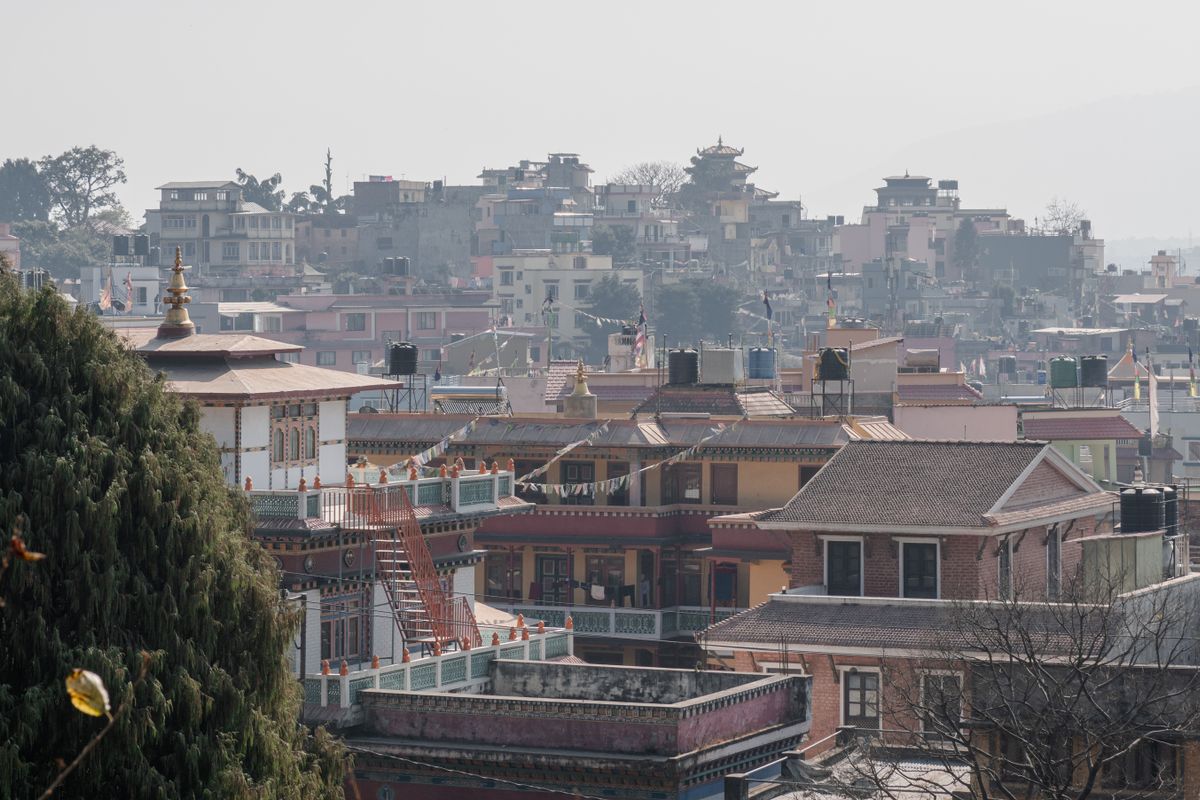
Nepal sits at the crossroads of South Asian and Himalayan cultures, shaped by Hindu and Buddhist traditions, a rich oral history, and a deep sense of community that most Westerners find genuinely striking. If you are starting to date a Nepali woman, understanding these roots is not a box to tick before the 'real' relationship begins — it is the foundation of the relationship itself. Approach it with curiosity rather than a checklist, and you will get far more in return than you might expect.
Family is not simply important in Nepali culture — it is structurally central to most people's lives. A Nepali woman's family, including parents, siblings, grandparents, and often extended relatives, will likely have a real voice in how she views a serious relationship. This does not mean she lacks independence; it means that her sense of self is often woven into a network of relationships that she values deeply. Earning respect from her family, or at least demonstrating that you take them seriously, matters a great deal. Do not treat family involvement as interference. Treat it as context.
Religion and ritual are present in everyday Nepali life in ways that can surprise people who grew up in more secular environments. The majority of Nepalis identify as Hindu, and a significant number practice Buddhism, with many families blending both traditions comfortably. Festivals like Dashain, Tihar, and Teej are not just holidays — they carry emotional and familial weight. If your partner mentions she needs time around these occasions to be with family, or that a particular ritual matters to her, listen. Asking genuine questions about what a festival means to her personally is one of the most respectful things you can do.
Nepali women, like women everywhere, are individuals first. It would be a mistake to assume that every woman from Nepal is traditional, conservative, or family-oriented in exactly the same way. Urban women from Kathmandu, women who have studied or worked abroad, and women from different ethnic and caste communities — Newari, Gurung, Tamang, Sherpa, Madhesi, and many others — will have very different life experiences and expectations. Caste and ethnicity still influence social dynamics in Nepal, so if your partner mentions her background, take it as an invitation to understand rather than a detail to gloss over.
Communication styles between Nepal and many Western countries can differ in ways that cause quiet misunderstandings. Directness — particularly about disagreement, personal boundaries, or family pressure — may not come naturally at first, because many Nepali social contexts reward harmony and indirectness. If she seems hesitant to say something directly, creating a patient, non-pressuring space for honest conversation will usually do more good than pushing for a straight answer. Similarly, she may interpret bluntness on your side as rudeness rather than honesty, so tone matters alongside content.
On the subject of physical affection: public displays of affection are generally more reserved in Nepal than in many Western countries, especially in smaller towns and rural areas. This is shifting among younger, urban Nepalis, but it is still worth following her lead rather than assuming your own norms apply. In private, within a relationship built on trust and mutual respect, things may be entirely different — but that trust is built gradually, and patience here is not a strategy, it is simply basic respect.
If the relationship becomes serious and you are considering meeting her parents, a few things are worth knowing. Dress modestly and conservatively for the first meeting. Bringing a small, thoughtful gift — fruit, sweets, or something from your own country — is usually appreciated. Remove your shoes if you see others doing so at the entrance. Elders are typically greeted first, and touching the feet of elders (called 'chhaun' or a form of pranam) is a traditional sign of respect, though as a guest you are unlikely to be expected to do this — simply being warm and deferential will be noticed. Eating together is often how families signal acceptance, so accept food that is offered to you.
Language is something to think carefully about. Nepali is the national language, but many women you meet online or through international dating platforms will communicate in English with varying confidence. If she uses SafeDate AI's translation features or asks you to speak more slowly, that is a sign of genuine effort on her part, not a barrier — meet it with patience and a little humor. Learning even a handful of Nepali words or phrases, particularly greetings like 'Namaste' or a simple 'Dhanyabad' for thank you, lands very well and signals that you see her culture as something worth knowing, not just tolerating.
Economic differences between Nepal and wealthier countries are real, and it is worth being honest with yourself about how those differences might affect the relationship dynamic. Genuine connection across economic backgrounds absolutely happens, but it requires both people to be clear-eyed about motivations, to communicate openly about money, and to make sure the relationship is built on mutual care rather than dependency or rescue. If you are meeting someone online, using a platform that verifies identity through government ID and live video — as SafeDate AI does — gives you at least a foundation of confidence that the person you are speaking with is who they say they are.
Visa, immigration, and long-distance logistics are topics that come up in many international relationships involving Nepal. If you are exploring whether a partner could visit your country or eventually relocate, the rules vary significantly depending on both nationalities involved. Requirements change regularly and individual circumstances matter enormously. This article offers general cultural context, not legal advice — for anything involving immigration, visas, or residency, please consult the official embassy or consulate of the relevant country, or speak with a qualified immigration professional.
The most important thing, underneath all the cultural detail, is this: a Nepali woman is a full person with her own ambitions, contradictions, humor, and story. Cultural knowledge helps you avoid common missteps and shows that you are taking the relationship seriously, but it is not a substitute for actually listening to her. Ask questions. Be willing to be wrong about your assumptions. Accept that some things will take time to understand. Relationships that cross cultural distances require more conscious effort, but they also tend to produce people who genuinely grow — and that is not a bad return on a little extra patience.