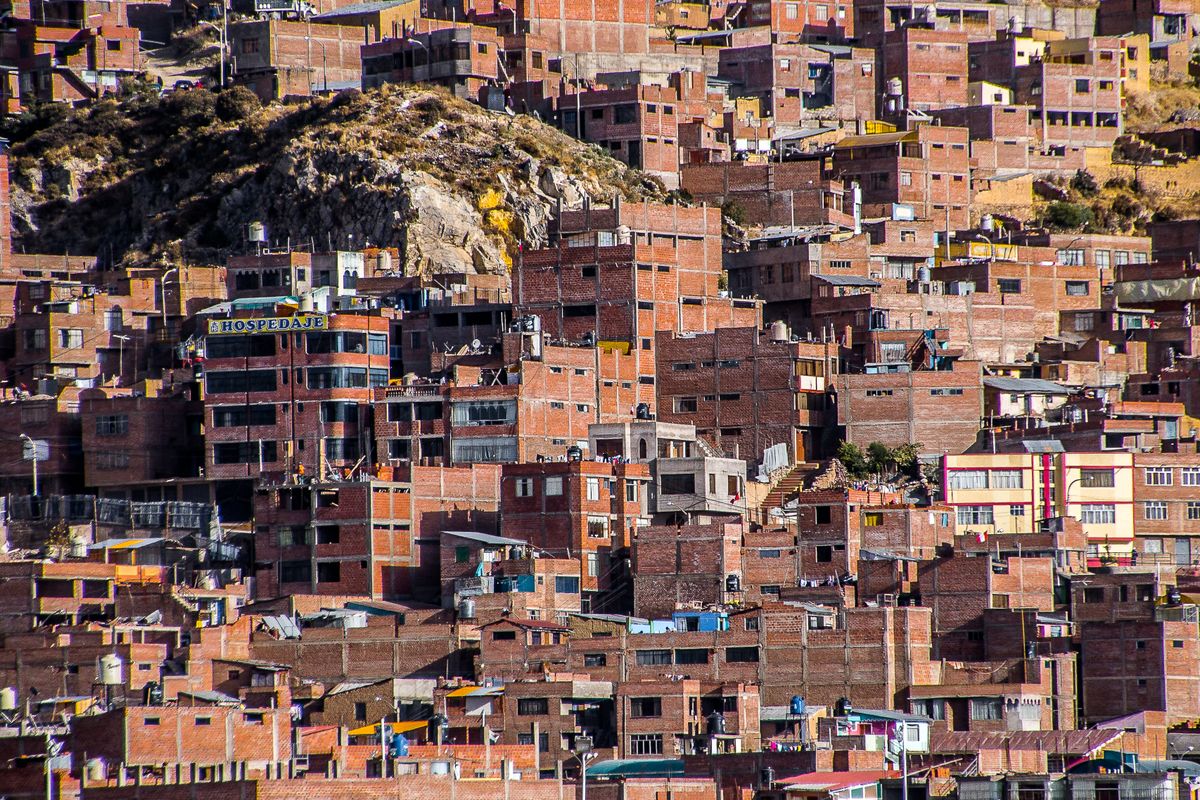
Bolivia sits at the heart of South America, landlocked and layered with altitude, history, and extraordinary cultural diversity. Its people reflect that complexity. Bolivian women come from highland Quechua and Aymara communities, from lowland cities like Santa Cruz de la Sierra, from mestizo middle-class neighborhoods in Cochabamba, and from dozens of smaller cultural groups in between. Before you attempt to generalize what a Bolivian woman is like, accept that the country itself resists easy summary. The most respectful starting point is curiosity — an honest desire to understand who she is as an individual shaped by a very specific place.
Family is not simply important in Bolivia; it is foundational. Extended family networks function as both a social safety net and a moral compass. A woman may consult her mother before she agrees to a second date. She may decline an invitation because a cousin is visiting from another city, and that absence genuinely is not an excuse. If you want to be taken seriously, you should want to be taken seriously by her family too. Showing patience and warmth toward her relatives — even if you barely share a language at first — signals that you see her as a whole person, not a profile to be swiped.
Bolivia is one of the most Indigenous-influenced nations in Latin America, and many women carry a deep sense of pride in that heritage. The 2009 constitution recognized 36 distinct nations within the country. This political and cultural reality matters in daily life. A woman from an Aymara family in El Alto may have very different expectations around gender roles, courtship timelines, and religious observance than a woman from a secular, urban household in Santa Cruz. Do not assume one set of rules covers all Bolivian women. Ask questions, listen more than you speak, and avoid projecting whatever assumptions you arrived with.
Religion shapes social rhythm in Bolivia in ways that can be subtle for outsiders. Catholicism blended with Indigenous spiritual traditions creates a calendar full of festivals, saints' days, and community obligations that are taken seriously. The famous Oruro Carnival, for instance, is not just a tourist event — it is a deeply felt religious and cultural performance. If she mentions attending a specific celebration or a community ritual, treat that as significant, not as quaint. Showing genuine interest in what these events mean to her, rather than just asking if you can watch, goes a long way.
Pace is a real consideration. Many Bolivian women, particularly those from traditional or semi-traditional backgrounds, prefer a courtship that unfolds gradually. Declarations of intense feeling very early can feel alarming rather than flattering. Consistency matters more than grand gestures. Showing up reliably, remembering small details, being honest about your intentions — these are the currencies that build trust. If you are dating from another country and communicating primarily online, the patience you demonstrate through your consistency of contact matters enormously. Platforms like SafeDate AI, which offer verified profiles and live video connection, can help establish that sense of real presence across distance.
Language is an intimacy issue, not just a logistics one. Spanish is Bolivia's dominant official language, but Quechua and Aymara are widely spoken, especially in highland regions, and a woman may code-switch between them naturally. If you do not speak Spanish, honest communication about that limitation is important. Do not rely entirely on machine translation for deep conversations about values, expectations, or feelings — nuance gets lost, and misunderstandings at that level can hurt. If you are using AI translation tools, acknowledge them openly with your match; most people appreciate honesty about the mechanics of a cross-cultural connection.
Economic context deserves honest attention. Bolivia is classified as a lower-middle-income country, though economic conditions vary sharply across regions and social classes. If you are dating internationally from a wealthier country, power imbalances can emerge without either person intending them. Paying for things is often expected and appreciated; using financial generosity as leverage or control is not acceptable. Be straightforward about your situation and genuinely curious about hers, without assuming her interest in you is primarily economic or that she needs rescuing. Bolivian women, like women everywhere, want to be respected as capable people navigating their own lives.
If the relationship grows serious and you begin thinking about immigration or visiting Bolivia, be aware that visa rules, residency requirements, and the legal landscape around international relationships are specific and can change. This article is general cultural information — for anything involving immigration, legal status, or official documentation, please verify directly with Bolivian government sources or consult a qualified immigration attorney in your own country. Similarly, health considerations for travel to high-altitude regions like La Paz, which sits above 3,600 meters, are genuinely important, and speaking with a travel medicine physician before visiting is practical advice.
Physical presentation and public behavior norms in Bolivia lean conservative in many communities, particularly in highland and rural areas. Public displays of affection that would barely register in a Western European city can draw uncomfortable attention in parts of Bolivia. This is not about shame; it is about reading the room of a specific social context. Follow her lead. If she is comfortable holding hands in a particular neighborhood or city, you probably are too. If she seems hesitant about physical affection in public, respect that without pressuring her for an explanation.
Communication directness varies. Some Bolivian women will tell you clearly when something bothers them; others, especially in contexts where harmony and politeness are highly valued, may use indirect cues. If she seems quieter than usual or changes the subject when you raise something, check in gently rather than pushing. This is not passive aggression — it is often a culturally shaped way of managing discomfort without creating conflict. Your willingness to slow down and ask how she is feeling, genuinely and without defensiveness, is a form of respect that translates across every culture.
The most important thing you can bring to dating a Bolivian woman — or any woman from a culture different from your own — is intellectual humility. You will get things wrong. You will misread a social cue, ask a question that lands oddly, or miss the meaning of something she says. What matters is how you respond when that happens. Laugh at yourself when appropriate, apologize when you have caused discomfort, and keep learning. SafeDate AI's verification tools can confirm that the person you are talking to is who they say they are, but building something real with that person is entirely on you — and that work, done honestly, is worth doing.